WIL seminar equips Public Management students for the workplace
Academics
28 October 2026
By Nkosinathi Mahlalela and Anza Phidana
The Department of Public Management at the Tshwane University of Technology (TUT) strengthened its commitment to graduate employability by recently hosting a Work-Integrated Learning (WIL) Work Readiness Seminar at the Willows Hotel & Conference Centre in Pretoria.
 Hosted in collaboration with the Department of Employment and Labour, the Department of Public Service and Administration (DPSA), the City of Tshwane, the Government Communication and Information System (GCIS) and the Human Sciences Research Council (HSRC), the seminar brought third-year Public Management students face-to-face with public-sector professionals.
Held under the theme, “From Learning to Earning: Strengthening WIL Pathways for Graduate Employability in the Public Sector,” the seminar focused on employment opportunities, internship programmes, professional development and the practical competencies graduates need to navigate the workplace.
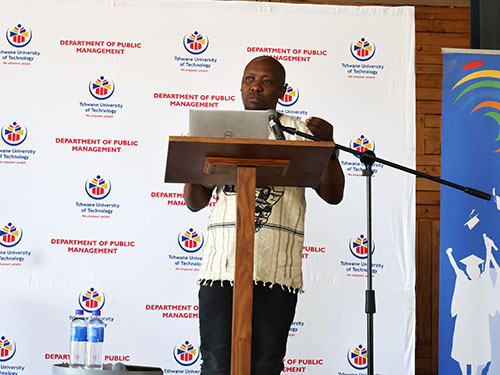
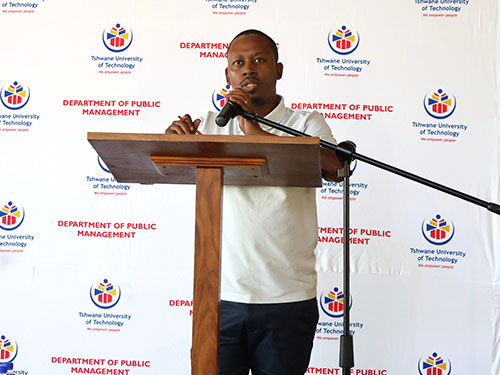
Nkosinathi Mahlalela, WIL Coordinator in the Department of Public Management and organiser of the seminar, highlighted the importance of preparing students for the transition from the classroom to the workplace. The engagement enabled students to interact directly with government representatives and public-service professionals, gain insight into workplace expectations and explore potential career pathways.
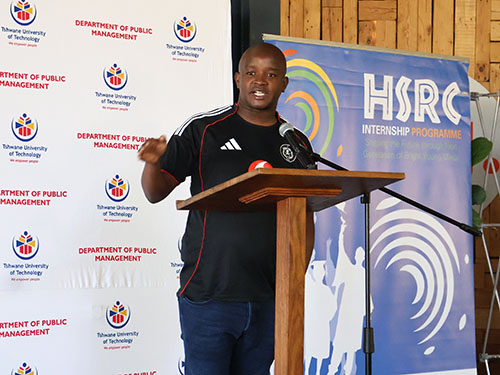 Welcoming delegates, Head of Department Dr Mogotsi Caiphus Maleka emphasised the need for university education to remain responsive to the realities of the labour market. He stressed that academic knowledge alone is not enough and encouraged students to develop practical skills, professional competence and workplace readiness. He also urged students to make the most of the seminar by participating actively, asking questions and drawing on the experience of the professionals in attendance.
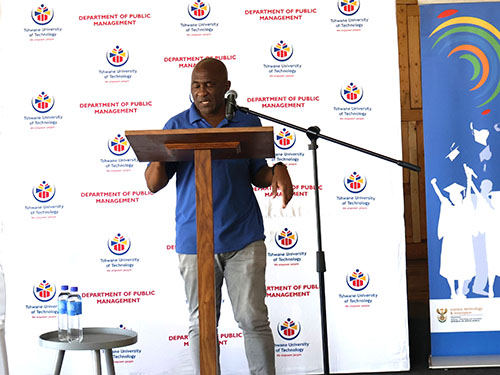
Prof John Ntshaupe Molepo, Executive Director of the South African Association of Public Administration and Management (SAAPAM), highlighted the value of professional development and active participation in the public administration community. He encouraged students to participate in SAAPAM and its student chapter, attend workshops and conferences, and use these platforms to broaden their knowledge and professional networks. He also discussed SAAPAM’s recognition as a professional body by the South African Qualifications Authority (SAQA) and outlined internship and professional development opportunities available to students and graduates.
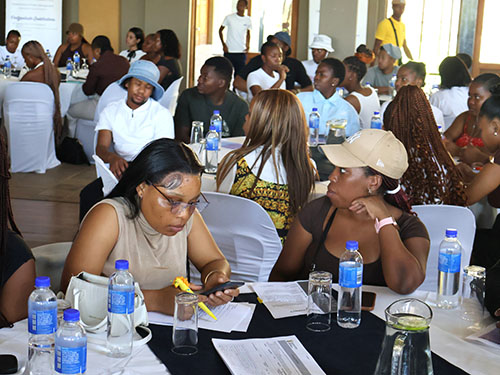 Offering practical guidance on entering the job market, Beckrigo Daniels from the Department of Employment and Labour focused on CV preparation and effective job-search strategies. He advised students to tailor their CVs to individual vacancies, provide accurate information, clearly present their qualifications and skills, and highlight relevant experience and responsibilities. Daniels also encouraged students to consider volunteering as a way of developing transferable skills and gaining experience while seeking employment.
The discussion extended to the use of artificial intelligence tools such as ChatGPT in preparing CVs. Daniels explained that while AI tools could provide guidance, applicants remained responsible for ensuring that their CVs accurately reflected their qualifications, abilities and experience.
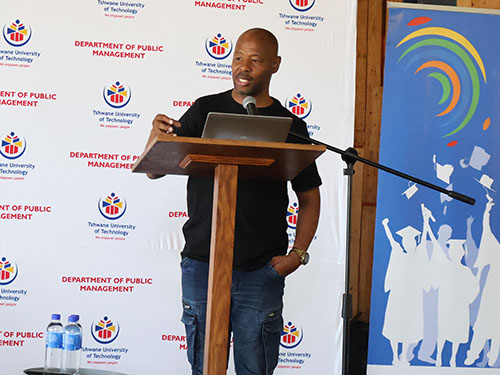
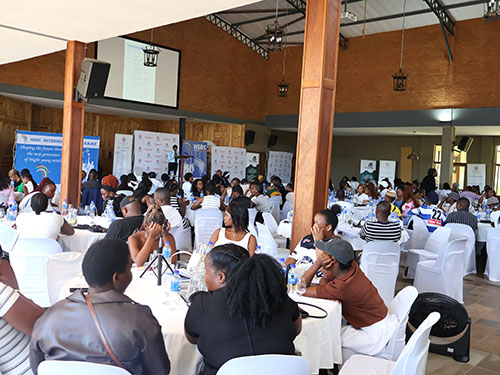 Kabelo Dimp from GCIS focused on the role of workplace exposure, mentorship and professional coaching in graduate development. He explained that WIL placements and graduate internship programmes offer students valuable opportunities to apply their academic knowledge, develop professional portfolios and become familiar with workplace systems, policies and procedures. He further highlighted discipline, attitude, character and professionalism as important attributes that complement technical knowledge and academic qualifications.
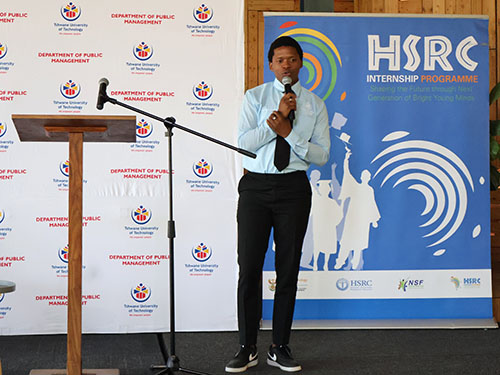
Representing the HSRC, Thamane Mahlangu introduced students to the organisation’s role in conducting social science and humanities research that informs public policy and contributes to societal development. He highlighted the importance of evidence-based research in understanding challenges such as unemployment, poverty, inequality and education.
 Cllr Tlangi Mogale, MMC for Roads and Transport in the City of Tshwane, was unable to attend the seminar. Her address, delivered on her behalf by programme director Direi Masinya, reinforced the importance of collaboration between universities and government in preparing graduates for employment. The message described WIL as an important bridge between academic learning and workplace demands and encouraged students to learn from experienced professionals, build meaningful networks and strengthen skills such as communication, adaptability and accountability.
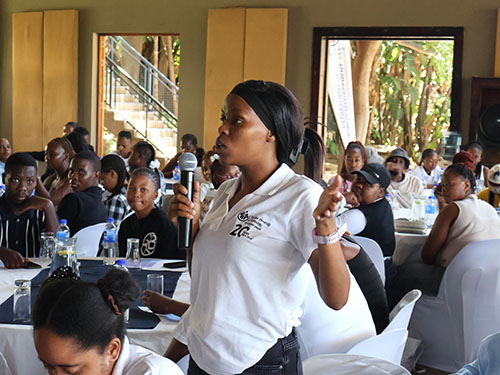
The seminar concluded with an interactive engagement that allowed students to raise questions about employment opportunities, further studies, research and the application of their qualifications across different areas of the public sector.
By bringing students and public-sector stakeholders together, the initiative underscored the value of workplace exposure, proactive career planning, professional networking and continuous skills development in preparing graduates for an increasingly competitive labour market.