TUT women take the lead at HERS-SA 2026
Academics
14 September 2026
By Kgaugelo Selane
Leadership in higher education is not only shaped in boardrooms and executive offices. It is also shaped in conversations, relationships and the willingness of women to question how institutions work and what they could become.
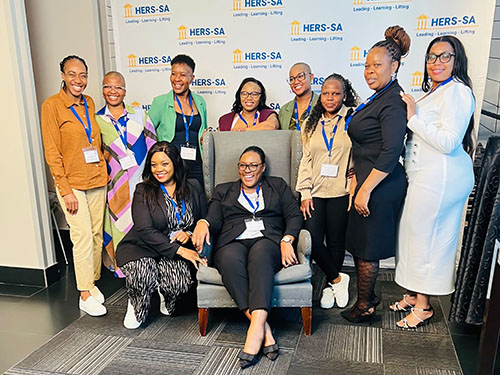 Participants take part in the Higher Education Resource Services South Africa Women in Leadership Academy 2026.
That was among the lessons taken home by women from the Tshwane University of Technology (TUT) who attended the Higher Education Resource Services South Africa (HERS-SA) Women in Leadership Academy 2026, held in Cape Town from 23 to 27 August.
Participants take part in the Higher Education Resource Services South Africa Women in Leadership Academy 2026.
That was among the lessons taken home by women from the Tshwane University of Technology (TUT) who attended the Higher Education Resource Services South Africa (HERS-SA) Women in Leadership Academy 2026, held in Cape Town from 23 to 27 August.
The Academy was held under the theme “Women Governing Change: Transformative Leadership, Institutional Accountability and Sustainable Futures.” It brought together women working across South Africa’s higher education sector for discussions on leadership, institutional change, professional development and the challenges facing universities.
For the TUT delegates, the week provided an opportunity to step away from the demands of their everyday roles and consider leadership from a wider perspective. The discussions went beyond the traditional understanding of leadership as a position or title. Participants reflected on their influence within their respective spaces, the importance of visibility, and how confidence and professional networks can shape their careers. They were also encouraged to identify their strengths while being honest about the areas in which they still need to grow.
One of the strongest themes to emerge was the responsibility that comes with leadership. For women already in positions of influence, this extends beyond personal advancement to creating opportunities for others through mentorship, collaboration and support. “Attending HERS-SA was a defining moment for me,” said Getrude Seku, Senior Officer: Finance and Contracts in the ICT Department. “It reinforced that leadership is about purpose, visibility and creating opportunities for other women while driving real change in our institutions.”
The value of the Academy also lay in the conversations that happened outside the formal programme. Meeting women from other universities and areas of higher education allowed delegates to exchange experiences, compare institutional realities and establish relationships that can continue beyond the Academy.
HERS-SA was established in 2003 to address the shortage of women in senior positions in South Africa’s higher education sector. Its leadership programmes focus on professional development, networking and creating opportunities for women to take on greater leadership roles.
The 2026 Academy placed particular emphasis on how women can use leadership to influence institutions and systems, rather than simply occupy positions within them. Sessions explored issues including the use of data and its purpose in institutional decision-making, leading transformation in contested spaces, financial sustainability, and the relationship between leadership, wellbeing, and ethical responsibility.
For the TUT women who attended, the experience offered both reflection and a challenge: to take what they had learnt back into their workplaces and use it to influence the people and spaces around them.
Their participation also reflects the importance of developing women who are prepared not only to take up leadership positions but to shape the institutions they serve. The Academy may have ended in Cape Town, but for the TUT delegates, the more important work begins when they return home, in the decisions they make, the women they mentor and the changes they choose to lead.