Students turn design concepts into profitable products
Academics
4 June 2026
Industrial Design students at the Tshwane University of Technology’s Department of Architecture and Industrial Design (Arch+ID) are stepping into the marketplace long before graduation. The Class of 2026 is already turning classroom learning into real-world impact, transforming ideas into products and earning income while still studying.
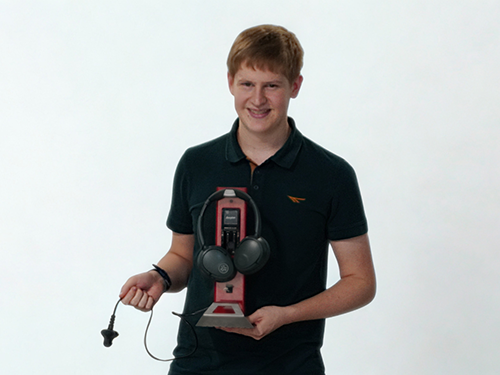 Aligned with TUT’s institutional goal of developing entrepreneurial graduates, the second-year Industrial Design students recently completed their first project of the year, titled Laser Cut Gaming Accessories: Function Meets Form. More than just a technical exercise, the project challenged students to combine creativity, manufacturing skills and enbtrepreneurship.
According to Industrial Design lecturer, Hein Dubery, the brief required students to design and prototype functional gaming accessories, from sleek headphone stands to complete console storage systems, using industrial laser cutting and bending techniques.
“The goal was precision, repeatability and durability. However, the real-world twist came in the form of a unique entrepreneurial incentive,” said Dubery.
“To bridge the gap between ‘cool design’ and a viable product, students were offered a 10% bonus on their final mark if they could successfully produce and sell at least five units of their design at a profit.”
Dubery explained that the project pushed students beyond theory by requiring them to identify local manufacturers, manage production costs and secure sales.
“It allowed these young designers to think critically about material waste, manufacturing feasibility and, most importantly, what customers are actually willing to pay for instead of simply creating something they personally like,” he added.
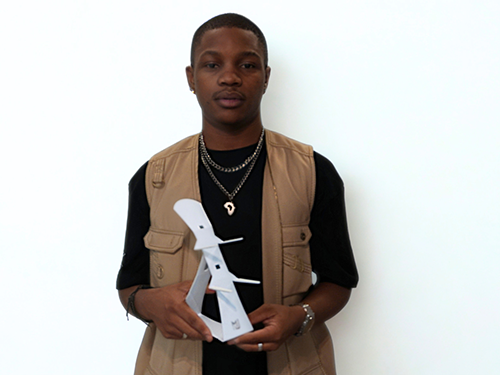 The result was a range of professional-grade prototypes and a class of students beginning to see themselves as emerging entrepreneurs.
Industrial Design student Dannica Stanley described the experience as transformative.
“Normally, we just design for a grade. Having to sell my controller stand changed everything. It motivated me and made the whole process feel real. Knowing people actually want to buy what I made is a huge confidence boost,” Stanley.
Fellow student, Thuso Mahlake, said the project opened her eyes to the financial potential of design.
“I’m excited that I can actually make money while I study. It made me look at my material choices much more closely. Every cent saved in production was a cent of profit in my pocket,” said Mahlake.
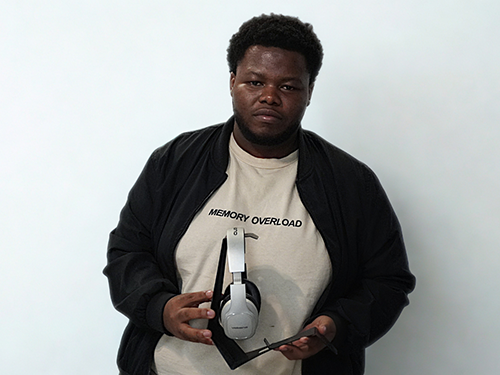 Another student, Lethabo Khumalo, reflected on how the assignment shifted his perspective on design.
“This project changed my mindset. It wasn’t just about making something look cool anymore. It had to be functional and affordable. It’s the first time I’ve felt like a real industrial designer,” said Khumalo.
Dubery believes the project demonstrates the value of integrating commercial viability into the curriculum from an early stage.
“By integrating commercial viability into the curriculum at second year level, the Industrial Design programme is proving that TUT students do not just graduate with a qualification. They graduate with a business mindset. As these students move into their third year and beyond, they carry with them not only the technical skills to build the future, but also the entrepreneurial spirit to own it,” he said.
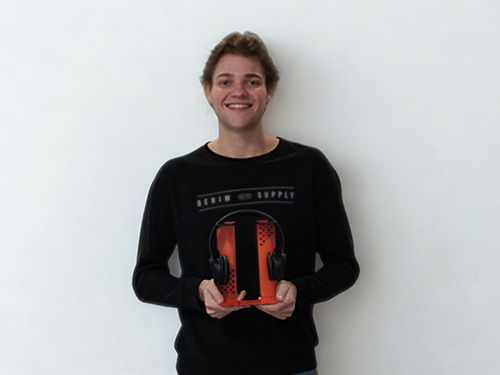
Second-year Industrial Design students are challenged to combine creativity, manufacturing skills and entrepreneurship in their project.