Prof Shengzhi Du elected as a member of the Academy of Science of South Africa
Academics
11 November 2026
By Phumla Mkize
Prof Shengzhi Du has been elected as a Member of the Academy of Science of South Africa (ASSAf), in recognition of his outstanding scholarly contributions and commitment to advancing scientific research and innovation.
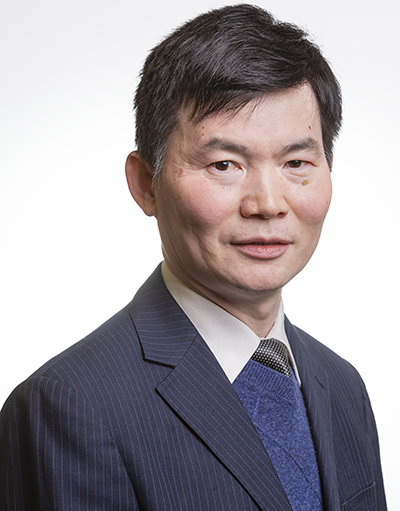 Prof Shengzhi Du is a member of the Academy of Science of South Africa.
Prof Du was among 78 distinguished scholars and scientists formally inaugurated as new Members of the Academy at its Annual Awards Ceremony held on 29 October 2026. His election forms part of a landmark year for ASSAf, which is celebrating 30 years of advancing science and scholarship for the benefit of society.
Prof Du is a Full Professor in the Department of Electrical Engineering and the South African Research Chairs Initiative (SARChI) Chairholder in Next Generation Telemanipulation and Teleoperation Platforms.
His research leadership in next-generation telemanipulation and teleoperation platforms advances technologies that enable remote interaction, control, and operation of industrial machinery. This field has significant potential applications across multiple sectors where intelligent technological solutions can enhance human capabilities, improve operational efficiency, and support innovation.
Membership of ASSAf is among the highest honours a South African scholar can receive. Members are elected through a rigorous peer-review process involving the Academy’s full membership, recognising individuals who have demonstrated exceptional research excellence and a commitment to serving society through science and scholarship.
Prof Du’s election is a significant recognition of his academic achievements and research leadership, while also highlighting the contribution of the Tshwane University of Technology to South Africa’s scientific and innovation landscape.
The 2026 cohort brings the total number of ASSAf members to 843, strengthening the Academy’s role in promoting scientific excellence, advancing evidence-informed policy and mobilising scholarly expertise in the public interest.