Building future global leaders through SASUF collaboration
Academics
5 October 2026
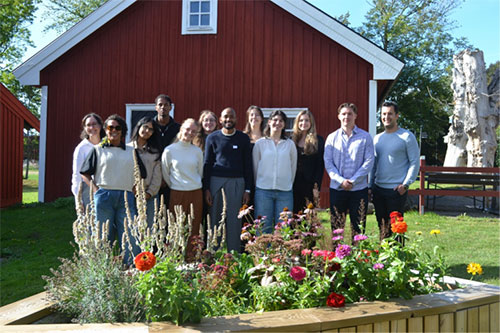
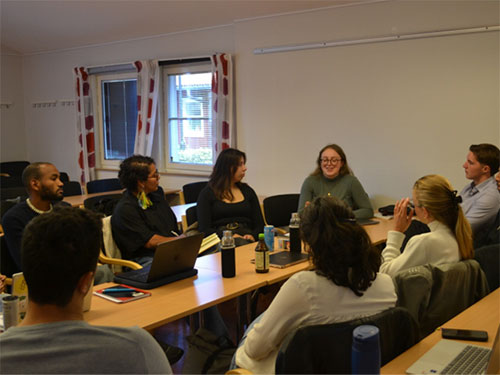
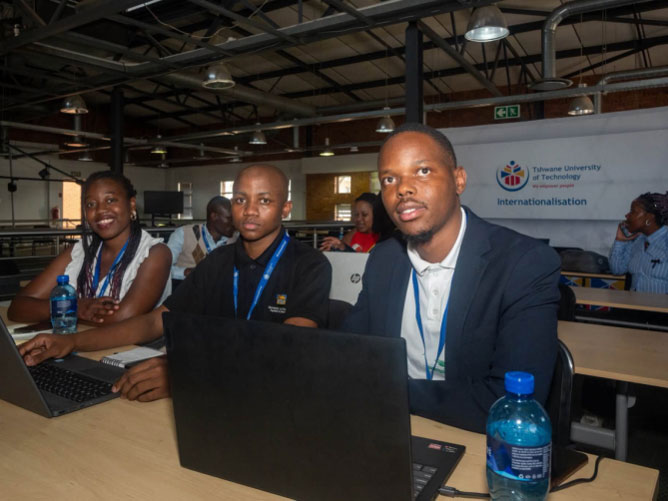
Students from South Africa and Sweden recently came together to strengthen their leadership capabilities, intercultural understanding and collaborative skills during the 2026 South Africa-Sweden University Forum (SASUF) Student Leadership Programme (SLP). The programme provided a dynamic platform for future leaders to engage across borders and cultures while laying the foundation for sustainable international partnerships.
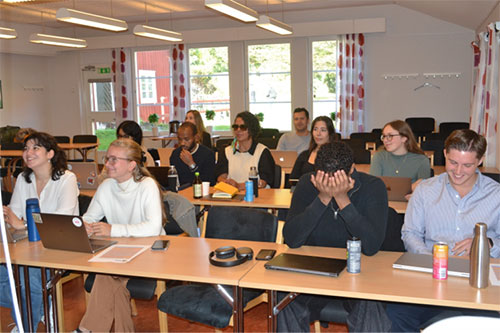 Hosted jointly by Tshwane University of Technology (TUT) and Linköping University (LiU) in a hybrid format, the initiative formed part of SASUF Work Package 3: Students as Changers. The programme reflects SASUF's commitment to empowering students as active contributors to the development of the South Africa-Sweden partnership and equipping them with the skills needed to navigate an increasingly interconnected world.
The two-day programme focused on intercultural competence, communication and leadership development, enabling participants to build meaningful relationships while exploring innovative approaches to global collaboration. Opening the programme, Caiphus Motadi from TUT and Sarah Mitchell from LiU welcomed participants and highlighted the vital role students play within the SASUF partnership and the opportunities available through the SASUF Student Network.
Representing the SASUF Student Network, Andile Mthembu of the University of Zululand and Anastasia Lundman of Karolinska Institutet introduced the network as a collaborative platform that encourages student-led initiatives and strengthens connections between higher education institutions in South Africa and Sweden.
A key highlight of the programme was the session titled Increased Cultural Awareness in Our Meetings, facilitated by Dr Pia Moberg. The session explored how cultural differences influence communication styles, decision-making processes and teamwork dynamics, encouraging participants to adopt more inclusive and culturally sensitive approaches when engaging across diverse environments.
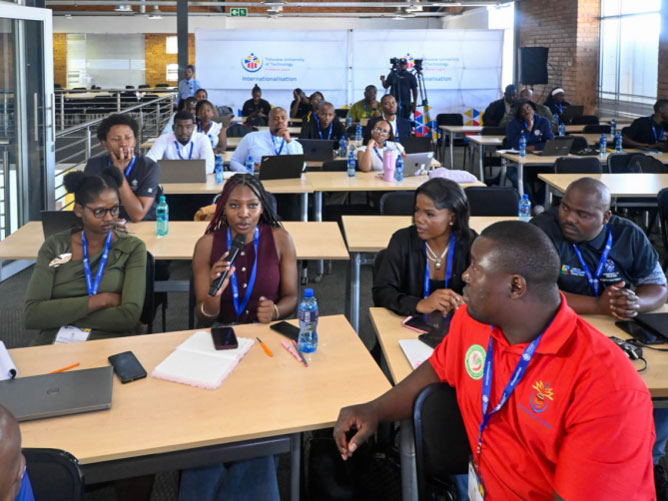 The first day concluded with UNESCO Story Circles, led by Dr Darla Deardorff from Stellenbosch University. Through interactive storytelling and active listening exercises, students were encouraged to deepen their understanding of one another's experiences and perspectives, reinforcing the importance of empathy and meaningful dialogue in intercultural engagement.
The second day shifted focus to Sustainable Leadership in a Globalised World. Dr Divine Fuh from the University of Cape Town unpacked the Africa Charter for Transformative Research Collaborations, highlighting the importance of equitable and mutually beneficial international partnerships that promote knowledge sharing and collective growth.
Participants also benefited from a session on conflict resolution presented by Themba Khumalo of Sefako Makgatho Health Sciences University. The discussion provided practical tools and strategies for navigating differences constructively and fostering stronger collaborative relationships.
Further strengthening the leadership theme, Professor Torbjörn Jonasson from the Swedish University of Agricultural Sciences addressed socially sustainable leadership, encouraging students to create inclusive environments where individuals and communities can thrive. Discussions on succession management within the SASUF Student Network underscored the importance of nurturing future leaders and ensuring continuity within international student collaborations.
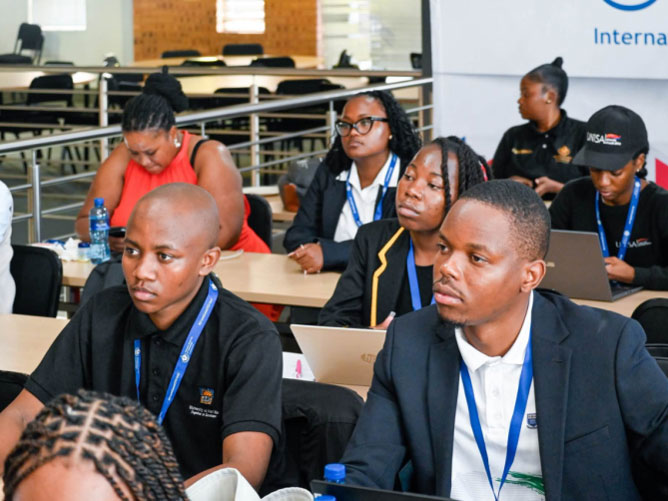 The programme also introduced participants to SASUF-NRF stipends and scholarship opportunities designed to support student mobility, academic exchange and collaborative research initiatives between South Africa and Sweden.
As the programme concluded, students were challenged to transform newly established connections into meaningful action. Participants were encouraged to initiate joint activities, strengthen international networks and contribute to the long-term success of South Africa-Sweden collaboration.
Looking ahead, the Student Leadership Programme will continue with Part 2 in March 2027. During the intervening months, students will work in South Africa-Sweden teams to develop community engagement projects that can be implemented in both countries. These initiatives will provide an opportunity for participants to apply the skills and knowledge acquired through the programme while addressing real-world community needs and deepening international cooperation.
By fostering intercultural understanding, leadership development and collaborative problem-solving, the SASUF Student Leadership Programme has laid a strong foundation for a globally connected generation of student leaders poised to shape the future of international partnerships.