African partnership supports continental teacher education innovation
Academics
30 July 2026
By Katlego Mosime
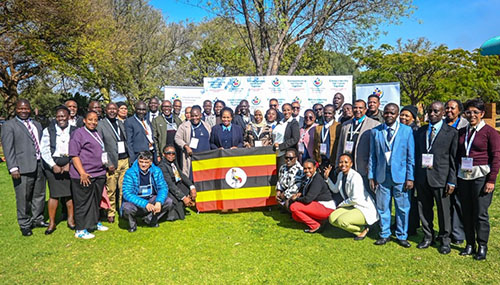
A benchmarking visit by Uganda’s Ministry of Education and Sports has opened new opportunities for collaboration in teacher education, curriculum reform and assessment practices across the continent. The engagement highlighted innovative approaches to classroom assessment while strengthening partnerships to improve learning outcomes and advance education in Africa.
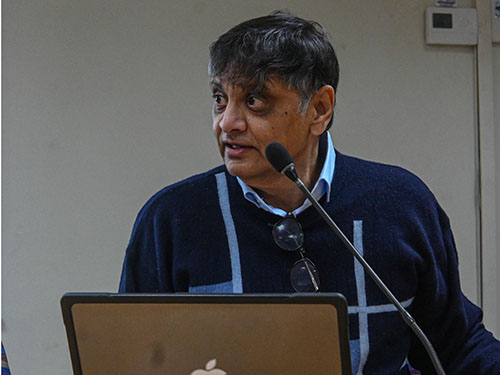 Prof Anil Kanjee
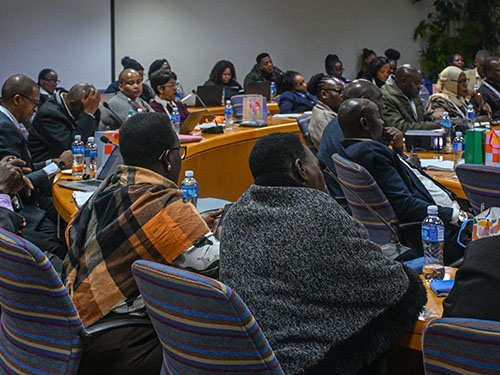
The delegation of 24 officials from Uganda’s Ministry of Education and Sports visited the Tshwane University of Technology’s (TUT) Soshanguve South Campus on 28 July 2026 to explore assessment systems and policies that support improved learning outcomes.
Prof Anil Kanjee
The delegation of 24 officials from Uganda’s Ministry of Education and Sports visited the Tshwane University of Technology’s (TUT) Soshanguve South Campus on 28 July 2026 to explore assessment systems and policies that support improved learning outcomes.
During the engagement representatives from Uganda’s Ministry of Education and Sports, South Africa’s Department of Basic Education (DBE), the South African Democratic Teachers’ Union (SADTU) and education specialists discussed Establishing assessment systems and policies for improving learning for all, creating a platform for sharing best practices in curriculum development, inclusive education and classroom assessment.
Prof Anil Kanjee, education assessment specialist, joined Dr Jeanette Ramollo, Assistant Dean for the School of Education and Dr Tozama Mthembu, Head of Department for Primary Education, in presenting TUT’s comprehensive four-year assessment programme for student teachers. He described the programme as one of only a few of its kind on the African continent.
“Our students receive comprehensive training in classroom assessment throughout their four years of study. The programme covers formative assessment, summative assessment and the formative use of summative assessment results. Graduates leave with the knowledge and skills to provide effective feedback, support self- and peer-assessment, identify learners’ needs and use assessment evidence to improve their own teaching practice,” said Kanjee.
Prof Kanjee explained that the programme integrates classroom assessment training with teaching practice, university-developed learning materials, practical journals and research projects. Ongoing research also evaluates its effectiveness and impact.
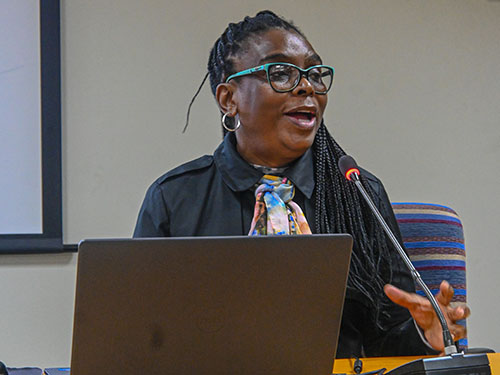 Dr Jeanette Ramollo
, Assistant Dean of the School of Education, highlighted the value of collaboration in advancing education across Africa.
Dr Jeanette Ramollo
Dr Jeanette Ramollo, Assistant Dean of the School of Education, highlighted the value of collaboration in advancing education across Africa.
“We cannot work in isolation. Collaboration allows us to learn from one another and identify best practices from both countries. This partnership will enable us to strengthen our teaching and learning practices while developing closer institutional relationships,” said Ramollo.
Dr Ramollo added that discussions are underway to establish a Memorandum of Understanding, with a particular focus on teacher education and inclusive education.
Dr Mark Chetty, Director of National Assessments at the Department of Basic Education, said the engagement creates valuable opportunities for both countries to learn from each other's education reforms and assessment practices.
“The purpose of this collaboration is for both ministries to better understand each other’s curriculum reforms and assessment development. Our discussions focused on how assessment strategies can improve learning outcomes in classrooms, particularly through formative and summative assessment. Uganda’s delegation is especially interested in how these approaches support competency-based education,” he said.
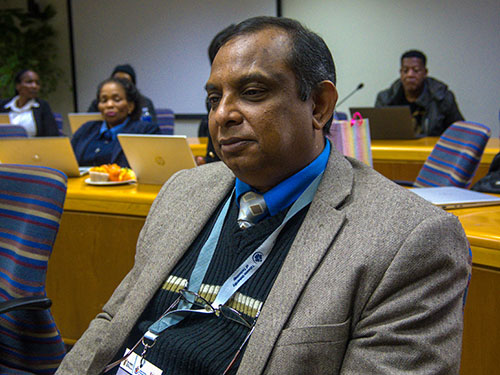 Dr Mark Chetty
Dr Chetty added that South Africa’s assessment reforms have positioned the country as a valuable reference point for other African nations seeking to strengthen their education systems.
Dr Mark Chetty
Dr Chetty added that South Africa’s assessment reforms have positioned the country as a valuable reference point for other African nations seeking to strengthen their education systems.
Julius Tayebwa, Under Secretary in Uganda’s Ministry of Education and Sports, said the visit forms part of Uganda’s ongoing efforts to strengthen its education system.
“Our aim is to share experiences, innovations and ideas that will help improve Uganda’s education system. We are reviewing our curriculum and assessment policies and wanted to benchmark against an African country that understands our context. We believe African challenges require African solutions, which is why we chose South Africa and TUT as one of the institutions to learn from,” he said.
Tayebwa added that Uganda is particularly interested in understanding how formative and summative assessment can support competency-based education and improve learner performance.
 Ms Faseega Solomon, SADTU Vice President, reaffirmed the union’s commitment to quality, equitable and inclusive education.
“We are committed to building a quality, equitable and inclusive education system while working towards ensuring that every learner has access to quality education and that this commitment is translated into practice,” she said.
The engagement concluded with discussions on expanding collaboration between TUT, the Department of Basic Education and Uganda’s Ministry of Education and Sports. Participants expressed a shared commitment to advancing education through research, innovation, assessment reform and stronger African partnerships.